Before the Asylum Bill Returns: Seven Archived Arguments for the 2026 Debate
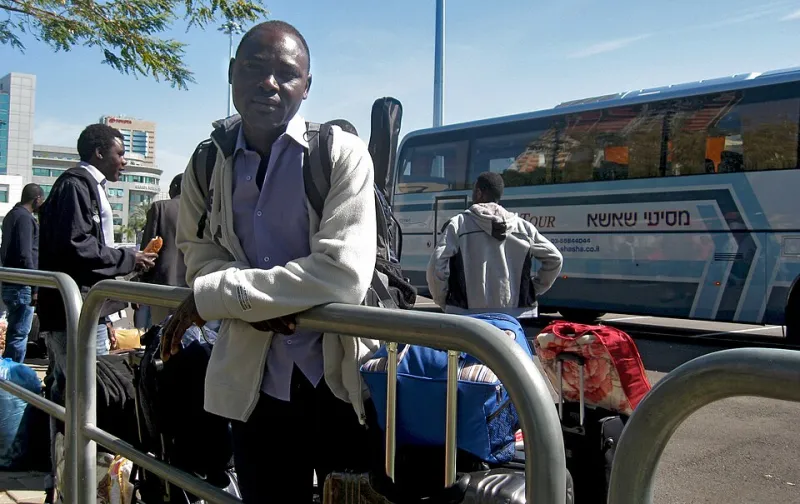
Photo: Rudychaimg, CC BY-SA 4.0, via Wikimedia Commons
Britain’s asylum debate has a habit of arriving as a slogan: stop the boats, take back control, fix the system. The slogans change; the legal questions do not. As MPs return to another round of immigration legislation in 2026, campaigners need more than a moral objection. They need a vocabulary for asking what the bill actually does to people who seek protection here.
The Oxford Amnesty Lectures archive is not a policy manual, but it is a useful training ground. Its lectures return again and again to a simple point: immigration law is not only about who crosses a line. It is about how the state treats people before, during and after that crossing. This reading list pairs seven archived arguments with the flashpoints likely to define the 2026 debate. It is written for constituents, student groups, faith networks and advice workers who want to move from anger to scrutiny.
1. The border is a legal fiction before it is a physical barrier
Archive talk: Where Does the Border Begin?
The argument: borders are stretched through visas, carrier liability, data-sharing and offshore processing long before anyone reaches British soil. If the border can be moved by law, so can responsibility.
The 2026 flashpoint: small-boat returns, offshore arrangements and the language of “return hubs” all depend on this stretching. Ministers present them as practical measures; lawyers ask whether they amount to refoulement by another name.
Ask: What is the legal basis for returning a person without assessing their claim? What monitoring exists? What happens when the receiving state cannot or will not protect them?
2. Detention is never a neutral space
Archive talk: Detention Is Not a Neutral Space
The argument: detention inflicts harm even when it is lawful. The relevant questions are not only whether it is permitted, but whether it is necessary, proportionate and time-limited.
The 2026 flashpoint: detention limits and the use of former military sites and other accommodation. Plans often promise “short” detention while creating systems with no clear endpoint.
Ask: Will the bill impose a statutory time limit? Will there be automatic judicial oversight? How will health, trauma and children’s welfare be assessed?
3. The right to seek asylum is not a queue
Archive talk: The Right to Seek Asylum Is Not a Queue
The argument: asylum is a right, not a reward for patience. Framing protection as a queue allows governments to treat legal routes as a privilege granted to the few and irregular arrival as a crime.
The 2026 flashpoint: legal routes. Campaigners should press for safe and legal routes that are accessible in practice, not only on paper.
Ask: What new legal routes will the bill create? How will family reunion be expanded? What humanitarian visas will be available for people who cannot reach a British embassy?
4. Safe routes are only safe if they are usable
Archive talk: Safe and Legal Routes: Who Gets to Choose?
The argument: discretionary routes reproduce the inequalities they claim to solve. Fees, documentation requirements, age disputes and embassy geography determine who can apply.
The 2026 flashpoint: the gap between announced routes and routes people can actually use. A route that requires a passport, a fee and a journey to a capital city is not a route for everyone.
Ask: What is the refusal rate for each route? What fees apply? How are unaccompanied children treated? Will the bill publish data on who is excluded?
5. The data border follows people inland
Archive talk: The Data Border
The argument: immigration control now travels through databases, phone checks, age-verification tools and information-sharing with landlords, employers and banks.
The 2026 flashpoint: digital checks and data collection in asylum and returns processes. The more automated the system, the harder it is to challenge a wrong decision.
Ask: What data will be collected, shared and retained? What safeguards exist for children and survivors of trafficking? How can someone correct an error before it affects their case?
6. Outsourcing protection does not dissolve the duty
Archive talk: The Outsourcing of Protection
The argument: the Rwanda scheme was debated as a deterrent, but the deeper question was accountability. When protection is outsourced, the state still has human-rights obligations.
The 2026 flashpoint: offshore processing, third-country deals and “returns” agreements. The legal architecture may change; the accountability problem remains.
Ask: Who inspects these arrangements? What remedies exist for people harmed abroad? Will the government publish the full legal advice and monitoring reports?
7. The duty to hear is procedural before it is political
Archive talk: The Duty to Hear
The argument: a fair hearing is not a bureaucratic luxury. It is how the state tests evidence, corrects error and respects the person in front of it.
The 2026 flashpoint: legal aid, appeal deadlines, interpreters and accelerated procedures. The 2023 Illegal Migration Act and earlier legislation already narrowed routes to justice; the 2026 bill may narrow them further.
Ask: What legal aid will be available? What are the appeal timelines? How will interpreters and vulnerability assessments be guaranteed? What happens when a deadline is missed because of ill health?
How to use this list
Do not try to use all seven arguments in one meeting. Choose the two or three that match the bill’s clauses and your group’s capacity. Read the relevant archived lecture, write a one-page briefing, and pair it with a local case or advice-sector testimony. The strongest scrutiny is specific: clause numbers, definitions, delegated powers and commencement dates.
Questions campaigners should put to MPs
- What evidence has the government published that small-boat returns will be lawful, safe and monitored?
- Will the bill impose a statutory time limit on immigration detention, with automatic judicial review?
- Which new safe and legal routes will be created, and how will eligibility be assessed?
- How will the bill protect unaccompanied children and survivors of trafficking?
- What data-sharing and automated decision-making will accompany the new powers?
- What legal aid and appeal rights will remain for people subject to accelerated procedures?
- Will the government publish equality impact assessments before the bill’s committee stage?
- What independent monitoring will apply to any offshore or third-country arrangement?
These are not abstract questions. They are the questions that turn a slogan into a bill, and a bill into a test of Britain’s human-rights commitments.