Putting Rights on the Surgery Agenda: Seven Questions for MPs in Winter 2026

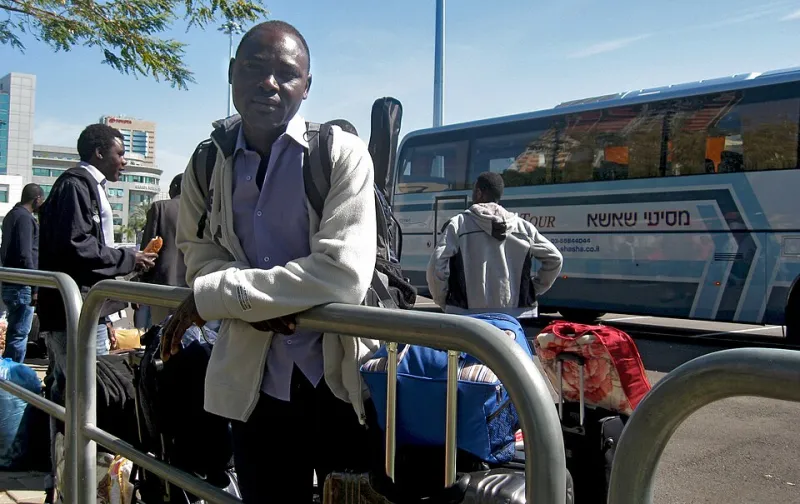
Photo: Nigel Cox , CC BY-SA 2.0, via Wikimedia Commons
Winter is when the distance between Westminster and the weekly shop narrows. MPs return to constituency surgeries, local papers fill with end-of-year accounts, and public services brace for another season of squeezed budgets. For readers who care about human rights, this is not a quiet season. It is an opportunity to put specific, evidence-backed questions to the person who represents you.
The Oxford Amnesty Lectures archive is full of arguments that begin with a principle and end with a demand. That is the right shape for a constituency question. Do not ask whether your MP supports human rights in general. Ask what they will do about the legal aid desert in your town, the conditions attached to a protest, or the inspection regime at a detention centre. Below are seven questions for the winter 2026 session. Choose two or three, ask for written answers, and keep a record.
1. Legal aid: who is priced out of justice?
Ask: “What proportion of people in the constituency qualify for civil legal aid under the current means test, and how many local advice providers have closed or reduced services since 2020?”
An archived Amnesty lecture on legal aid describes eligibility as a cliff edge: a small change in income can move a family from full representation to no advice at all. The question turns that argument into constituency data. Follow up by asking the MP to publish the answer and to raise it with the Ministry of Justice. If local advice centres have closed, name them in your follow-up letter.
2. Protest law: how are new conditions being used?
Ask: “How many public order conditions has the local police force imposed on assemblies in the past twelve months, and how many were challenged or overturned?”
The right to assemble is not a favour granted by a police commander. An archived lecture on protest and the law makes the point that discretionary powers are only legitimate when they are used transparently and proportionately. Ask the MP to seek figures from the police and crime commissioner. At the surgery, request a written response within twenty working days.
3. Digital ID: where is the equality impact assessment?
Ask: “Will the government publish the data protection impact assessment and equality analysis for the digital ID scheme before any further rollout, and how will people without smartphones or stable documents be supported?”
Digital identity can make services easier, but it can also create new gatekeepers. The archive’s lectures on surveillance and dignity warn against designing systems that treat the most marginalised as exceptions. Ask specifically about biometric retention, manual verification, and the right to an alternative route. These are technical questions with civil-liberties consequences.
4. Detention oversight: who inspects, and who answers?
Ask: “What was the government’s response to the most recent inspection reports on immigration removal centres in the region, and how many recommendations remain outstanding?”
Detention is the clearest test of whether rights are real for people who cannot vote. An archived Amnesty talk on immigration detention argues that oversight must be independent, frequent, and followed by consequences. Ask your MP to obtain the inspection reports, the ministerial response, and the timetable for implementing recommendations. If a centre is in or near the constituency, ask for a meeting with the visiting committee.
5. Asylum accommodation: who is accountable for conditions?
Ask: “Will the department publish contract performance data and complaint outcomes for asylum accommodation providers operating in the constituency?”
When accommodation is contracted out, accountability can be subcontracted too. The Oxford Amnesty Lectures archive includes testimony on sanctuary and the everyday conditions that make dignity possible or impossible. Ask about inspection frequency, safeguarding referrals, and the route for residents to complain without fear. Local journalists will often take up a concrete case if you provide the contract reference and the inspection date.
6. Benefits and digital-by-default: who is left behind?
Ask: “What safeguarding data does the department hold on claimants who cannot use online journals, and how many have been sanctioned after failing to engage digitally?”
Social security is a human-rights issue when administrative design determines whether a household can eat. An archived lecture on poverty and rights makes the case that digital efficiency must not become a barrier to entitlement. Ask for local figures and for the MP’s position on non-digital routes. Follow up with the local advice sector; they will know which errors are systemic.
7. Local advice deserts: will the MP defend the advice sector?
Ask: “Will the MP support ring-fenced funding for local advice services in the next spending review, and what meetings have they held with advice providers in the constituency this year?”
Access to justice depends on someone being there to explain it. The archive’s lectures on civic voice are clear that rights are hollow without intermediaries: advisers, solicitors, interpreters, and community groups. Ask for a meeting, not just a pledge. Invite the local paper to cover the answer.
After the Surgery: Making the Answer Count
A constituency surgery is not a press conference, but it is a public record waiting to happen. Ask for written answers. Confirm what your MP will do, by when, and which minister or department will be contacted. Then follow up: a short letter to the local newspaper, a note to the local advice network, a question at the next public meeting. The Oxford Amnesty Lectures archive exists to keep arguments alive across seasons. Use it to make your MP’s answers part of the winter record.