The Thank-You Is Not a Fee: Paying Human-Rights Speakers Fairly in 2026
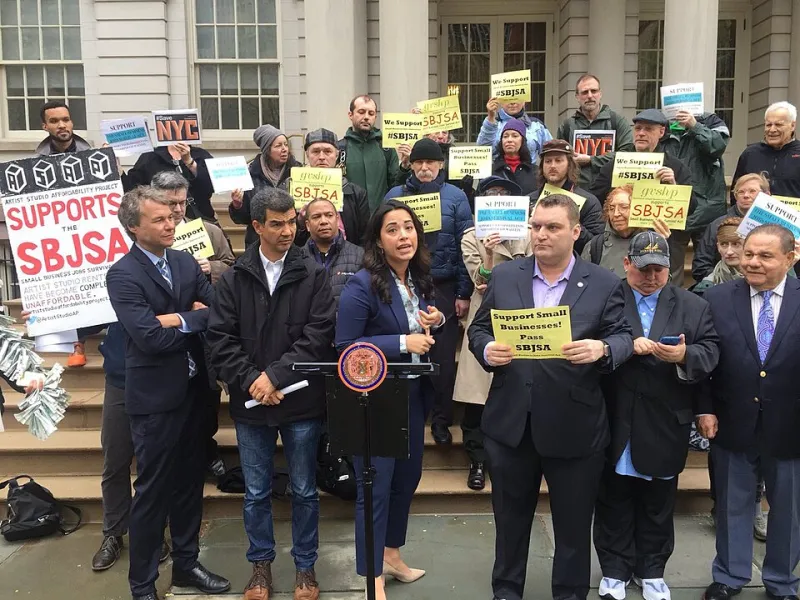
Photo: Greenwich Village Society for Historic Preservation, CC BY 2.0, via Wikimedia Commons
In the crowded calendar of British human-rights events, an uncomfortable convention persists. The venue is paid for. The caterers are paid. The chair may be paid. The AV technician is certainly paid. Yet the person with the most to lose — the survivor, the local organiser, the expert witness — is often offered a travel receipt, a glass of water and a warm sentence of thanks. The question for 2026 is not whether human-rights events should pay speakers. It is what payment is for, and what it must never buy.
1. Put the speaker line in the budget before the sponsor line
A fair fee policy begins with arithmetic, not sentiment. Too many event budgets list venue hire, catering, communications and security, while speaker costs appear as an afterthought or a discretionary gesture. Organisers should create a named line for fees and expenses, approve it at trustee or management level, and protect it when sponsorship is negotiated. If there is no budget line, there is no policy — only improvisation. In a sector where public trust is hard-won, improvisation is not good enough.
2. Separate testimony from performance
Paying someone to describe harm is not the same as commissioning a lecture. Testimony carries distinctive risks: re-traumatisation, surveillance, immigration consequences, community backlash. A fee should recognise labour, preparation and risk, not purchase a narrative. Organisers must never make payment conditional on saying particular things, naming particular people or softening a critique. The ethical distinction is simple: a fee compensates a speaker for time and expertise; it does not acquire the right to edit the truth.
3. Treat expenses as a right, not a favour
Reimbursement should be prompt, predictable and humane. Cover travel, accommodation, childcare, accessibility costs, interpretation and data. Offer advance payment where a speaker cannot reasonably front the cost, and do not force people to beg for small sums with a trail of receipts. A speaker should never be out of pocket for accepting an invitation. Nor should they have to disclose personal financial hardship to a stranger in an events team. Expenses are part of the cost of doing the event properly.
4. Read charity law as a compass, not a loophole
Charity trustees must act in the charity’s best interests, manage conflicts of interest and ensure that private benefit is no more than incidental. Reasonable payments for services can be legitimate, but they need documentation and a clear rationale. Payments to trustees, connected persons or organisations close to decision-makers require particular care. This is not a reason to avoid paying speakers; it is a reason to record why a fee is proportionate, what it buys and how it was approved. Legal advice should be sought where the facts are complicated, but the guiding principle is transparency, not evasion.
5. Do not let sponsors set the price of dissent
Sponsorship can fund fees without owning the platform. Organisers should ring-fence sponsor money, disclose the terms and make clear that funders do not select speakers or shape content. If a sponsor’s name appears on the podium, the audience should know whether it covered costs or bought influence. A human-rights event that quietly removes a critical voice to keep a donor comfortable has not balanced its budget; it has sold its purpose.
6. Publish the policy, not just the thank-you
Transparency protects everyone. Publish a speaker-fee policy, set out bands rather than ad hoc amounts, explain what counts as an honorarium, and report aggregate spending on fees and expenses. Naming individual speakers and amounts requires consent, but the policy itself should be public. This helps smaller organisations benchmark their practice and helps audiences distinguish between paying for expertise and paying for a message. It also makes it harder for bad practice to hide behind confidentiality.
7. Ask who is absent because the fee was zero
Unpaid opportunities favour people with salaries, savings and secure status. They disadvantage local activists, survivors, carers and first-time speakers. If an event only pays celebrity intellectuals while expecting grassroots testimony for free, it reproduces the hierarchies it claims to challenge. Set aside budget for first-time speakers and people with lived experience; evaluate annually who accepts, who declines and who never applies. The composition of the platform is part of the rights question.
For a series such as Oxford Amnesty Lectures, the fee is not a gratuity. It is a recognition of labour, a safeguard against undue influence and a practical condition of fair access. In 2026, human-rights events should be places where the platform is lent, not sold — and where the size of a fee does not decide who can afford to speak.